
Marketing analysis of Heathrow Airport: service quality, passenger experience and strategy
| ✅ Paper Type: Free Essay | ✅ Subject: Marketing |
| ✅ Wordcount: 8600 words | ✅ Published: 07 May 2026 |
1. Introduction
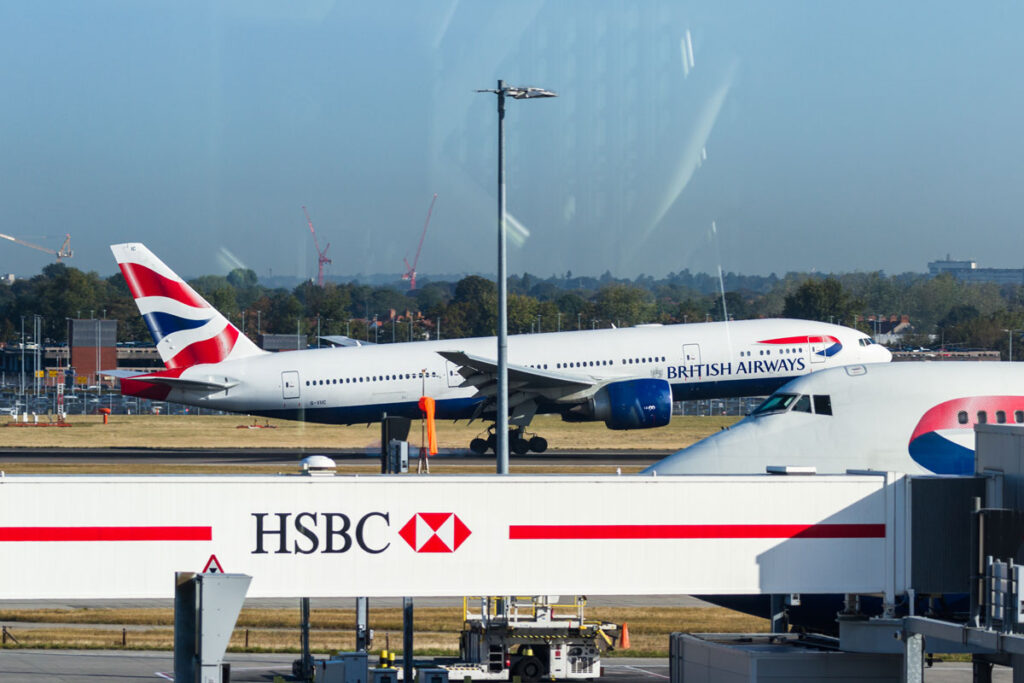
Heathrow Airport, one of Europe’s busiest international aviation hubs, operates as a complex service organisation serving millions of passengers annually. Unlike many businesses that sell tangible products, Heathrow’s core offering is a suite of interconnected services – from security and check-in through to wayfinding, retail, food and beverage provision, and passenger information systems. Understanding how to market these services effectively requires approaches fundamentally different from traditional product marketing.
This report examines how contemporary marketing theory applies to Heathrow as a service organisation competing within the modern aviation industry. Marketing matters at Heathrow for several interconnected reasons. First, passenger experience directly influences customer satisfaction and loyalty, which in turn affect airport choice, repeat usage, and word-of-mouth advocacy – critical factors in a multi-airport region. Second, maintaining positive relationships with airlines and commercial partners depends on demonstrating clear strategic value and understanding their evolving needs. Third, commercial revenue from non-aeronautical services (retail, dining, lounges, parking) increasingly supplements aeronautical income and requires targeted customer engagement. Fourth, reputation and brand positioning shape passenger expectations before arrival and influence broader stakeholder perception. Fifth, sustainability and environmental responsibility have become essential marketing concerns as climate awareness reshapes passenger expectations and regulatory requirements. Finally, intensifying competition from other UK and European airports means Heathrow must differentiate itself through service excellence, innovation, and customer-focused strategy rather than relying on scale alone.
This report focuses specifically on services marketing, the marketing environment, consumer behaviour and market segmentation as frameworks for understanding Heathrow’s strategic challenges and opportunities. It draws on recent empirical research into airport service quality, passenger loyalty, external market factors, and segmentation approaches to provide evidence-based insights applicable to Heathrow’s contemporary context.
2. Marketing concepts relevant to Heathrow Airport
Understanding marketing as a service-value process
Marketing in the airport context is often misunderstood as primarily concerned with advertising and promotion. In reality, marketing is fundamentally about identifying customer needs, creating value, and building sustained relationships. At Heathrow, this means recognising that every interaction – from the moment a passenger enters the terminal through to baggage claim – is a marketing moment that either reinforces or undermines the airport’s value proposition.
Services marketing differs significantly from product marketing in several ways relevant to Heathrow. Services are intangible (passengers cannot inspect security procedures or baggage handling in advance), inseparable from delivery (security screening happens in real time), variable (quality depends on staff performance and circumstances), and perishable (an empty seat in a lounge cannot be sold later). These characteristics mean that managing Heathrow’s marketing requires careful attention to operational consistency, staff competence, physical environment design, and real-time problem-solving rather than relying on advertising alone.
Key services marketing concepts for Heathrow
Service quality is the passenger’s perception of whether Heathrow’s services meet or exceed their expectations. Research consistently demonstrates that higher airport service quality is strongly associated with increased passenger satisfaction (Bogicevic et al., 2013; Pholsook et al., 2025; Usman et al., 2023; Faizal et al., 2025). Critically, service quality encompasses both tangible dimensions (facilities, cleanliness, signage) and intangible dimensions (staff courtesy, information clarity, responsiveness). For Heathrow, this means service quality is not solely about infrastructure investment; it equally concerns staff training, process design, and communication clarity.
Customer satisfaction mediates between service quality and loyalty. Satisfaction reflects whether passengers’ actual experience matches their expectations. At Heathrow, satisfaction drivers include efficient queue management at security and check-in, cleanliness and pleasant environment throughout terminals, courteous and knowledgeable staff interactions, clear wayfinding signage, accessible amenities (food, rest areas, facilities for passengers with reduced mobility), and reliable, timely passenger information (Bogicevic et al., 2013; Bakir et al., 2022; Faizal et al., 2025).
Customer value represents what passengers perceive they receive relative to what they give (time, money, effort). At Heathrow, this is particularly complex because passengers have limited choice in using the airport – they must pass through it to reach their destination. However, value still matters: passengers assess whether the convenience, comfort, and services justify the time spent and money spent on parking, food, retail, and premium facilities. This suggests Heathrow should focus not on extracting maximum revenue per passenger, but on delivering clear value for money in both aeronautical services (efficient processes) and commercial services (quality offerings at justifiable prices).
Customer experience and the servicescape refer to the holistic impression created by all touchpoints within Heathrow’s environment. This includes the physical design of terminals, ambient conditions (lighting, temperature, noise levels), availability of seating and power points, digital signage, queuing systems, staff appearance and demeanour, and the quality of retail and food offerings. Research on airport servicescapes shows that the physical and social environment significantly shapes passenger satisfaction (Stephano et al., 2024).
Relationship marketing emphasises building ongoing relationships with customers rather than pursuing one-off transactions. At Heathrow, this means recognising that frequent business travellers, regular leisure passengers, and connecting passengers all have different needs and expectations. Loyalty programmes, targeted communications, personalised services, and consistency across touchpoints build relationship depth and encourage repeat preference for Heathrow over competing airports.
The extended marketing mix for services typically comprises not just the traditional four Ps (product, price, place, promotion) but seven: adding people (staff quality), process (operational efficiency), and physical evidence (servicescape and facilities). For Heathrow, this framework highlights that marketing success depends on:
- Product/Service: Security screening, check-in, baggage handling, retail, food and beverage, lounges, accessibility services, digital systems, passenger information
- Price: Competitive pricing for parking, food, retail, premium services; value-for-money positioning
- Place: Terminal layout, accessibility, location of key services, wayfinding clarity
- Promotion: Communications with airlines, travel agents, passengers; loyalty programme marketing; sustainability messaging
- People: Staff training in customer service, languages, accessibility awareness; consistency in service delivery
- Process: Queue management systems, self-service technologies, integrated digital platforms, streamlined procedures
- Physical evidence: Terminal cleanliness, furniture quality, signage clarity, ambiance, facilities condition
3. Passenger satisfaction, loyalty and customer experience
Drivers of passenger satisfaction at Heathrow
Passenger satisfaction at airports is not a single construct but emerges from success across multiple dimensions. Research synthesising diverse methodologies – from traveller reviews to structural equation modelling – identifies consistent satisfaction drivers across global airports (Bogicevic et al., 2013; Pholsook et al., 2025; Bakir et al., 2022).
Cleanliness and pleasant environment emerge as top satisfiers. Passengers expect terminals to be visibly clean, with well-maintained facilities, functioning amenities, and an overall ambiance that feels welcoming rather than institutional or chaotic. Conversely, confusing signage, poor dining options, and visible disrepair are frequent dissatisfiers (Bogicevic et al., 2013; Oliveira et al., 2023; Halpern & Mwesiumo, 2021). For Heathrow, this underscores that even excellent service processes cannot compensate for dirty terminals or poorly maintained facilities.
Efficient queue management and staff helpfulness directly impact satisfaction. Long queues at security or check-in, even if moving steadily, create stress and negative perceptions. Staff courtesy, helpfulness, and clear communication mitigate these effects. Machine learning analysis of passenger reviews highlights that staff performance and queue management are among the most influential predictors of overall satisfaction (Pholsook et al., 2025). This suggests Heathrow should prioritise both investing in technology to reduce queue times (automated bag drop, fast-track lanes for eligible passengers) and training staff to manage queues transparently and respectfully.
Clear signage and effective wayfinding reduce passenger anxiety. Passengers unfamiliar with Heathrow need to quickly locate check-in, security, gates, shops, toilets, and other facilities. Confusing or missing signage creates frustration and negative impressions. Digital wayfinding systems and multilingual signage are increasingly expected (Bezerra & Gomes, 2020; Bakir et al., 2022).
Accessibility and assistance for passengers with mobility needs matter significantly for an important minority of passengers and reflect Heathrow’s values. Accessible toilets, lifts, seating, and trained staff support for passengers with disabilities or reduced mobility are both ethical requirements and satisfaction drivers for these segments.
Digital services and information provision increasingly influence satisfaction. Passengers expect real-time flight information, gate changes, delay notifications, and the ability to use digital check-in and bag drop. Satisfaction with digital services affects overall airport satisfaction and enables passengers to manage their time more effectively (Choi et al., 2024).
Satisfaction moderators: passenger characteristics
Research reveals that passenger satisfaction with any given service quality dimension depends partly on passenger characteristics. Frequent business travellers, for example, may value speed and efficiency above comfort, whilst occasional leisure passengers may prioritize clarity and comfort over speed (Curcić & Grubor, 2023). Passengers with different demographics and travel patterns also interpret the same service encounter differently depending on their stress level, time pressure, and prior expectations (Bezerra & Gomes, 2015; Oliveira et al., 2023). This suggests Heathrow should recognise passenger diversity rather than assuming a one-size-fits-all satisfaction model.
Loyalty to airports versus loyalty to airlines
A crucial distinction exists between passenger loyalty to an airport versus loyalty to an airline. Airline loyalty often involves frequent flyer programmes, seat preferences, and relationship benefits that passengers experience across many flights. Airport loyalty is more complex: many passengers use an airport simply because it is convenient, because their airline departs from there, or because they lack choice in a multi-airport region. True airport loyalty – where passengers actively prefer an airport and would switch airlines or routes to use it – is rarer but increasingly valuable to Heathrow.
Loyalty to Heathrow specifically builds through consistent service quality, positive experiences, and differentiated offerings that create perceived value above competing airports. Loyalty also depends on switching costs – the inconvenience or barriers to using an alternative airport. In London’s multi-airport region (Heathrow, Gatwick, Stansted, Luton, City), switching costs are often relatively low for passengers who could use several airports. This means Heathrow must earn loyalty through genuine service excellence rather than relying on convenience alone (Bezerra & Gomes, 2019; Bezerra & Gomes, 2020).
Why loyalty and satisfaction matter for Heathrow commercially
Satisfied and loyal passengers generate commercial value through several mechanisms. First, repeat use: frequent business travellers who have positive Heathrow experiences are more likely to choose routes and airlines that depart from Heathrow rather than switching to competing airports. Second, airport choice influence: leisure passengers who experience excellent service may recommend Heathrow to friends and family, influencing their airport choices. Third, reputation and word-of-mouth: satisfied passengers leave positive reviews online and recommend the airport informally, whilst dissatisfied passengers actively warn others and leave negative reviews that deter future passengers (Halpern & Mwesiumo, 2021). Fourth, retail and commercial spend: satisfied passengers with positive experiences are more likely to visit retail outlets, restaurants, and premium lounges, increasing non-aeronautical revenue (Gupta et al., 2016). Fifth, advocacy and brand strength: loyal passengers become advocates who strengthen Heathrow’s brand and reputation, enabling Heathrow to position itself as a premium, reliable hub.
The satisfaction-loyalty-behaviour chain
Research consistently shows that satisfaction is a direct predictor of loyalty behaviours such as repeat use and positive word-of-mouth (Ahmed et al., 2024; Han et al., 2018; Chua et al., 2017). Satisfaction also mediates the relationship between service quality and loyalty: high service quality leads to satisfaction, which then drives loyal behaviours (Usman et al., 2023; Prentice & Kadan, 2019). For Heathrow, this chain is critical: improving service quality is not an end in itself, but a pathway to satisfaction, which drives the commercial and reputational outcomes that matter.
4. The marketing environment for Heathrow Airport
Heathrow’s marketing strategy operates within a complex external environment shaped by political, economic, social, technological, legal, and environmental factors. Understanding these influences is essential for developing realistic, responsive strategy.
Political and regulatory factors
Aviation policy and airport regulation directly shape Heathrow’s operating constraints and strategic options. UK aviation policy determines capacity, slot allocation, runway expansion possibilities, and the regulatory framework within which Heathrow operates. Post-Brexit, aviation policy has shifted, affecting routes to Europe and regulatory alignment. Government policies on air passenger duty, environmental taxation, and sustainability targets create financial and strategic pressures (Choi et al., 2024). Regulatory changes – whether favourable (deregulation expanding routes) or restrictive (environmental caps) – alter competitive dynamics and require adaptive marketing strategies (Barrett, 2000; Thelle & Sonne, 2017).
Airline relationships and partnerships significantly influence Heathrow’s commercial strategy. Heathrow’s role as a major hub airport depends on maintaining relationships with airlines that operate significant networks from the airport. Airlines’ strategic decisions – which routes to prioritise, where to expand – directly affect passenger volumes and demographics. Partnership arrangements, such as codeshare agreements, influence route expansion effectiveness and market penetration (Mulyawati & Sudarmaji, 2026). Heathrow’s marketing must therefore address not only passengers but also airlines as crucial stakeholders.
Economic factors
Economic conditions and demand fluctuations affect passenger volumes and spending. Economic downturns reduce business travel, whilst booms increase leisure travel. Fuel prices affect airline profitability and pricing, influencing route decisions and passenger affordability. Regional economic development – both in the UK and internationally – shapes origin-destination demand patterns. Heathrow’s marketing must monitor these trends and adjust capacity utilisation, route promotion, and pricing strategies accordingly (Kucsera, 2021; Tsui & Balli, 2017; Choi et al., 2024).
Revenue diversification is an increasingly critical economic response. Airports historically relied on aeronautical revenue (landing fees, passenger fees) but now actively develop non-aeronautical revenue through retail, food and beverage, parking, lounges, and service offerings. Heathrow’s marketing increasingly focuses on maximising non-aeronautical revenue per passenger, requiring targeted segment strategies and commercial partnerships (Karagkouni, 2025; Choi, 2021; Brahmantyo & Simarmata, 2024).
Technological factors
Digital transformation has become central to contemporary airport marketing strategy. Technology adoption – including mobile apps, automated information systems, data-driven personalisation, self-service technologies (self check-in, bag drop, security queues), and integrated digital platforms – reshapes how airports engage passengers and manage operations. Digital technologies enable airports to collect passenger data, personalise communications, reduce queue times through better process management, and enhance the passenger experience through real-time information and contactless services (Wu & Ki, 2022; Pasha et al., 2025; Florido-Benitez, 2022; Choi et al., 2024).
For Heathrow specifically, digital transformation offers opportunities to reduce queues, improve wayfinding, personalise marketing communications, and enhance accessibility through digital services. However, effective implementation requires integrating technology into broader service strategies rather than implementing technology for its own sake. Additionally, digital solutions must remain inclusive: not all passengers are equally comfortable with digital services, and Heathrow must balance automation with continued human support for passengers requiring assistance (Halpern et al., 2021).
Data analytics and personalisation enable more sophisticated customer segmentation and targeted marketing. By analysing passenger booking data, travel patterns, spending behaviour, and feedback, Heathrow can identify distinct segments and tailor communications, services, and retail offerings to segment-specific needs and preferences (Bezerra & Gomes, 2019; Halpern et al., 2021; Lu et al., 2019). This represents a significant shift from broadcasting generic marketing messages toward targeted engagement with specific passenger groups.
Social and cultural factors
Post-pandemic passenger expectations have shifted notably. Safety, hygiene, and operational reliability have become heightened concerns. Passengers expect visible cleanliness protocols, contactless options, clear health and safety information, and flexibility in booking and changes (Choi, 2021; Namira & Pasaribu, 2024; Karaman & Atalik, 2024).
Sustainability and environmental consciousness increasingly influence passenger expectations and behaviour. A growing proportion of passengers – particularly younger travellers and those concerned about climate change – factor sustainability into their choices, including airport choice. Heathrow’s environmental impact (carbon emissions, noise, local air quality, ground transportation) directly influences brand perception and commercial viability. Marketing Heathrow’s sustainability initiatives – carbon reduction targets, ground transport integration, green building features, waste reduction – has become strategically important for brand positioning and passenger loyalty (Aydin, 2024; Karaman & Atalik, 2024; Soliman et al., 2025).
Accessibility and inclusivity expectations continue to grow. Passengers with disabilities, elderly passengers, families with young children, and other groups with specific access needs increasingly expect airports to provide inclusive facilities and services. Marketing accessibility (clear communication of facilities, trained staff, accessible wayfinding) supports both ethical practice and commercial inclusivity, ensuring that diverse passenger segments feel welcome and can navigate Heathrow effectively.
Legal and environmental factors
Regulation of environmental impact is increasingly stringent. Noise restrictions, air quality regulations, carbon emission caps, and sustainability targets create legal constraints on airport expansion and operations. These constraints require Heathrow to demonstrate environmental responsibility in both operations and marketing communications (Karaman & Atalik, 2024; Aydin, 2024).
Data protection and consumer privacy regulation (UK GDPR, PECR) constrains how Heathrow can collect, store, and use passenger data for marketing purposes. Ethical and compliant digital marketing requires explicit passenger consent, transparent privacy practices, and secure data handling.
Competitive factors
Competition from other UK and European airports creates pressure to differentiate through service quality, innovation, and customer experience. Other major European hubs (Frankfurt, Paris Charles de Gaulle, Amsterdam) compete directly with Heathrow for international passengers and hub traffic. UK regional airports (Gatwick, Stansted) and emerging low-cost alternatives create indirect competition. Heathrow’s marketing must articulate clear competitive advantages – connectivity, service quality, accessibility to central London, premium positioning – rather than relying on scale or convenience alone (Barrett, 2000; D’Amico, 2022; Karagkouni, 2025; Chutiphongdech & Phengkona, 2024; Abouseada et al., 2023).
External factors influencing Heathrow’s strategic marketing response
Research demonstrates that external factors – economic volatility, regulatory shifts, technological innovation, competitive pressures, sustainability imperatives, government policy support, tourism trends, and evolving passenger expectations – collectively shape airport marketing strategies (Kucsera, 2021; Barrett, 2000; Wu & Ki, 2022; D’Amico, 2022; Karaman & Atalik, 2024; Choi et al., 2024). For Heathrow, ongoing adaptation to these external influences is essential for sustained competitive advantage. The airport cannot control these factors, but can anticipate and respond through flexible, evidence-based strategy.
5. Consumer markets and passenger behaviour
Multiple customer groups at Heathrow
Heathrow does not serve a single customer; rather, it serves multiple overlapping customer groups with distinct needs and expectations. Passengers are the primary focus – they consume airport services and their satisfaction and loyalty drive aeronautical revenue and word-of-mouth. However, airlines are also crucial customers: Heathrow’s value to airlines (in terms of route attractiveness, operational efficiency, connectivity) determines which airlines serve the airport and which routes they prioritise. Retailers and food and beverage operators are commercial partners whose success depends on Heathrow providing passenger traffic, attractive locations, and supportive policies. Business partners (security contractors, baggage handlers, ground services providers) deliver services on behalf of Heathrow. Local stakeholders (residents, environmental groups, local government) influence regulatory approval for expansion and operations. Effective airport marketing requires understanding and managing relationships across all these groups.
This report focuses primarily on passengers as consumers of airport services, recognising that passenger satisfaction and loyalty generate the demand and commercial opportunity that sustain Heathrow’s business.
Passenger heterogeneity and differential expectations
A critical insight from consumer behaviour research is that passengers are not homogeneous. Passenger expectations, preferences, and behaviours differ significantly based on journey purpose, time pressure, stress level, destination type, mobility needs, family circumstances, income, and travel frequency (Bezerra & Gomes, 2015; Curcić & Grubor, 2023; Oliveira et al., 2023).
Business travellers typically prioritise speed, efficiency, and reliability. They are often time-pressed, familiar with the airport, and willing to pay for premium services (fast-track security, business lounges) that save time. They value clear signage, direct wayfinding, mobile services that reduce friction, and reliable flight information. They are less concerned with retail unless it offers relevant, convenient options (newspapers, coffee, technology products).
Leisure travellers often have more time flexibility but may experience higher stress if unfamiliar with the airport or if travelling with young children or extended family. They may prioritise comfort, clarity of wayfinding, child-friendly facilities, and value-for-money retail and food options. They are more likely to browse retail and entertainment offerings if time permits.
Connecting passengers face particular time pressure and stress – they must navigate an unfamiliar airport quickly, potentially in a foreign language, to reach their next flight. They need exceptionally clear wayfinding, rapid transit options (moving walkways, express routes), reliable real-time flight information, and confidence that baggage is transferred reliably. They have minimal opportunity for retail or food spending unless connections are long.
Long-haul passengers departing from Heathrow often have extended dwell times (arriving early for long-haul flights) and may welcome retail, food, rest facilities, and entertainment. Arriving long-haul passengers are often fatigued and prioritise rapid baggage claim and convenient ground transport.
Premium passengers (business class, first class, lounge members) expect exclusive, high-quality services and are particularly sensitive to service quality failures. They are valuable both for aeronautical revenue and as influencers whose word-of-mouth shaped perception of Heathrow’s premium positioning.
Families with young children need accessible facilities (family restrooms, nursing facilities, child play areas), affordable food options, and staff patience. They are often time-pressed and stressed but represent significant spending potential in retail and food.
Passengers with disabilities or reduced mobility need accessible facilities, trained staff support, clear communication, and consistent assistance. Their satisfaction and loyalty are particularly influenced by whether Heathrow demonstrates genuine commitment to accessibility and inclusion.
Digitally confident passengers expect mobile check-in, digital wayfinding, real-time information, and contactless payment options. They resent queues and paper processes.
Passengers requiring additional assistance (elderly, non-English speakers, passengers with intellectual disabilities or neurodivergence) need patient, empathetic staff support, multilingual information, and clear, simple communication. Their satisfaction depends significantly on staff quality.
These diverse passenger groups require differentiated marketing strategies, communications, service designs, and facility offerings. A one-size-fits-all approach will inevitably disappoint many passengers. Effective airport marketing recognises this heterogeneity and develops segment-specific strategies, discussed in the next section.
6. Market segmentation, targeting and positioning
Why market segmentation matters for Heathrow
Market segmentation divides passengers into distinct groups based on shared characteristics, behaviours, or needs, enabling Heathrow to tailor marketing strategies, communications, services, and facilities to segment-specific requirements. Research consistently demonstrates that market segmentation is a powerful lever for improving airport marketing strategy by enabling more precise targeting of services and communications to heterogeneous passenger groups (Bezerra & Gomes, 2019; Freathy & O’Connell, 2012; Leung et al., 2017; Halpern et al., 2021).
Segmentation offers several strategic benefits for Heathrow. First, targeted marketing communications are more effective and efficient than broadcast messaging. Business travellers respond to different messages than leisure travellers; premium passengers respond differently than budget-conscious passengers. Tailored communications increase engagement and response rates (Leung et al., 2017). Second, differentiated service design enables Heathrow to allocate resources effectively. For example, express security lanes benefit business and premium passengers; quiet rest areas benefit long-haul and connecting passengers; child play areas benefit families. Rather than providing all services to all passengers (inefficient) or none (disappointing), segmentation informs resource allocation (Halpern et al., 2021; Harrison et al., 2015). Third, retail and commercial strategy can be tailored to segment needs. Premium passengers might support luxury retail; families seek affordable food; business travellers need tech and food-to-go; leisure passengers browse entertainment (Gupta et al., 2016). Fourth, digital and technology strategy can account for segment preferences. Some passengers embrace mobile services; others prefer traditional information channels (Halpern et al., 2021). Fifth, pricing strategies for premium services can reflect segment value and willingness-to-pay. Premium lounge access targets high-value segments; budget fast-track security serves time-pressured segments across income levels (Lu et al., 2019). Sixth, loyalty programme design can target high-value segments specifically. Frequent business travellers benefit from points-based systems; leisure passengers respond to family-focused rewards (Bezerra & Gomes, 2019).
Segmentation approaches and relevant passenger segments for Heathrow
Research identifies multiple segmentation approaches – demographic (age, income, nationality), geographic (origin location), behavioural (spending patterns, service usage), and psychographic (values, attitudes, lifestyle) – each offering distinct insights (Leung et al., 2017; Gunay & Gokasar, 2021; Gupta et al., 2016; Halpern et al., 2021; Harrison et al., 2015).
For Heathrow, relevant passenger segments include:
Journey purpose segments: business travellers, leisure travellers, visiting friends and family, connecting passengers. These segments have fundamentally different time availability, service priorities, and retail behaviours.
Travel frequency segments: frequent travellers (familiar with Heathrow, experienced, efficient), occasional travellers (less familiar, potentially more stressed, need clearer guidance), first-time passengers (highest information needs, highest anxiety).
Value and spending segments: premium passengers (willing and able to pay for superior services, higher commercial value), budget-conscious passengers (price-sensitive, potentially higher volume but lower per-passenger spend), mid-market passengers (value-for-money seekers).
Accessibility segments: passengers with disabilities or reduced mobility (need accessible facilities and staff support), elderly passengers (need clear information and comfort), passengers with young children (need facilities and family-oriented services), passengers needing language support (non-English speakers).
Technology comfort segments: digital-native passengers (expect and prefer mobile and automated services), digital-hesitant passengers (prefer human interaction and traditional information), mixed-preference passengers (using both).
Demographic segments: age groups (youth, working age, retired) show different service expectations and spending patterns; international versus domestic passengers have different information needs; family versus solo travellers have different facility needs.
Geographic segments: passenger origin location (based on flight routing) influences language needs, cultural expectations, and retail preferences. Geo-demographic analysis helps target region-specific promotions and understand airport catchment areas (Leung et al., 2017).
Implementing segmentation: service design, communications, retail and digital strategy
Service design informed by segmentation: Heathrow can design services recognising that different segments have different priorities. Express security and fast-track lanes serve business and premium segments. Family-friendly facilities (accessible restrooms, nursing areas, play spaces) serve family segments. Quiet zones or rest facilities serve long-haul and tired passengers. Accessibility features (lifts, accessible toilets, assistance services) serve passengers with mobility needs. Multilingual staff and signage serve non-English-speaking passengers (Halpern et al., 2021; Harrison et al., 2015; Brochado et al., 2024).
Communications tailored by segment: Heathrow can target different segments with different messages through different channels. Business travellers might be reached through LinkedIn and business travel publications; leisure passengers through travel websites and social media; families through parenting blogs; accessibility-focused passengers through accessibility advocacy channels. Messages can emphasise different benefits: speed and efficiency for business segments, value-for-money for budget segments, premium experience for luxury segments, accessibility and inclusion for diverse-ability segments (Bezerra & Gomes, 2019; Hartono & Hidayati, 2023).
Retail and food strategy by segment: Heathrow’s commercial partners can tailor offerings to segments. Premium retail locations and high-end restaurants in first-class and premium areas; affordable, fast food options in high-volume areas serving budget passengers; family-friendly food options in areas with families; technology and snack retail for business travellers; bookshops and entertainment for leisure passengers with time to browse (Gupta et al., 2016; Wu & Ki, 2022).
Digital services reflecting segment technology comfort: Heathrow can offer multiple journey pathways – digital for tech-confident passengers (mobile check-in, app-based wayfinding, digital information), traditional for hesitant passengers (information desks, printed materials, staff assistance). This balanced approach serves all passengers without forcing unwilling adoption of digital services (Halpern et al., 2021; Choi et al., 2024).
Accessibility across segments: Dedicated accessibility information, accessible facilities, trained staff, and assistive technology serve passengers with disabilities, but accessibility features (clear signage, consistent wayfinding, customer service helpfulness) benefit all passengers. Good accessibility is not a separate service but integral to inclusive design (Halpern et al., 2021; Brochado et al., 2024).
Customer relationship management (CRM) by segment: Loyalty programmes and targeted communications can be segmented. Premium segments might receive exclusive lounge access, priority service, or personalised offers. Frequent travellers might earn points for future services. Family-oriented marketing might offer family package deals. Accessibility-focused communications demonstrate Heathrow’s commitment to inclusion (Bezerra & Gomes, 2019).
Positioning: how Heathrow can differentiate itself
Market positioning refers to how Heathrow wants to be perceived relative to competing airports. Effective positioning articulates clear, differentiated benefits that resonate with target segments.
Reliable and efficient hub: Heathrow can position itself as the UK’s most reliable major airport – synonymous with smooth operations, on-time performance, clear communication, and minimal surprises. This positioning appeals to business travellers and time-pressured passengers.
Connected and well-integrated: Heathrow’s strength as a major hub with numerous connections to global destinations (particularly via long-haul airlines) is a clear differentiator. Marketing this connectivity – and making connection experience smooth through clear wayfinding, reliable baggage transfers, and lounge facilities for connecting passengers – supports premium positioning.
Premium and high-service: Heathrow can position itself as a premium airport – offering high-quality retail, exceptional dining, business facilities, and consistent staff professionalism. This positioning supports premium pricing and attracts high-value passengers and airlines.
Accessible and inclusive: Heathrow can differentiate on genuine commitment to accessibility and inclusion. This addresses an underserved market segment and reflects modern values around diversity and equity.
Sustainable and forward-thinking: As climate concerns grow, Heathrow can position itself as committed to carbon reduction, sustainable operations, green facilities, and environmental responsibility. This resonates with environmentally conscious passengers and airlines.
Passenger-focused and customer-centric: Heathrow can emphasise consistent passenger focus – designing every service, facility, and process with passenger needs and convenience in mind rather than operational convenience alone. This positioning supports loyalty across all segments.
Positioning is not accomplished through advertising alone but through consistent delivery across all service touchpoints. Heathrow’s positioning must be authentic: it must reflect real capabilities and commitments that can be consistently delivered.
7. Strategic recommendations
Based on the evidence reviewed, Heathrow should adopt a comprehensive, segment-informed marketing strategy focused on service excellence, passenger experience, digital innovation, sustainability, and stakeholder relationships.
Service quality and passenger experience
Establish service quality as a strategic priority equal to operational efficiency. Service quality – cleanliness, staff helpfulness, queue management, accessibility – directly drives passenger satisfaction and loyalty. Implement systematic monitoring of service quality across all touchpoints through passenger feedback, real-time surveys, and online review analysis (Bogicevic et al., 2013; Pholsook et al., 2025; Halpern & Mwesiumo, 2021). Use this data to identify priority improvement areas and track progress. Reward and recognise staff who deliver exceptional service.
Invest in queue management and process efficiency. Staff performance and queue management are among the strongest predictors of passenger satisfaction (Pholsook et al., 2025). Implement technology solutions (automated security lanes, mobile bag drop, express check-in) that reduce queues whilst maintaining security standards. Design visible, transparent queue systems (e.g., clearly marked lanes, real-time wait time information) that reduce passenger anxiety even if queues are unavoidable. Train staff to manage queues respectfully and to proactively communicate delays and expected wait times.
Prioritise cleanliness and terminal ambiance. Cleanliness and pleasant environment are top satisfiers and their absence is a top dissatisfier (Bogicevic et al., 2013; Bakir et al., 2022). Implement consistent cleaning protocols with visible indicators of cleanliness. Invest in terminal refurbishment to maintain modern, welcoming ambiance. Address ambient conditions (lighting, temperature, noise) that influence passenger perception of quality.
Develop clear, multilingual wayfinding systems. Confusing signage is a frequent dissatisfier. Implement comprehensive wayfinding systems that use icons, colours, and digital options to guide passengers to check-in, security, gates, facilities, and services. Provide information in multiple languages reflecting Heathrow’s international passenger base.
Create inclusive accessibility as a strategic differentiator. Implement accessible facilities (lifts, accessible toilets, nursing facilities, rest areas), trained staff support, and assistive technology. Market accessibility commitments clearly to attract and retain passengers with disabilities, elderly passengers, and family passengers. Recognise that good accessibility benefits all passengers.
Digital transformation and customer engagement
Implement integrated digital platforms that serve all passenger segments. Develop mobile apps, website tools, and digital signage that enable passengers to access real-time flight information, wayfinding, facility information, and digital services. Ensure these platforms are accessible to users with disabilities and intuitive for diverse technical abilities (Choi et al., 2024; Halpern et al., 2021). Simultaneously, maintain traditional information channels (information desks, staff assistance, printed materials) for passengers who prefer or need non-digital support.
Use passenger data for targeted, personalised communications. Collect, analyse, and responsibly use passenger data (with appropriate consent and privacy protections) to understand passenger segments, preferences, and behaviour patterns (Lu et al., 2019; Halpern et al., 2021). Use these insights to deliver personalised communications, targeted promotions, and segment-specific service offerings. For example, frequent business travellers might receive targeted offers for business lounge upgrades or fast-track services; families might receive offers for family facilities; leisure passengers might receive retail promotions.
Integrate retail and food offerings with digital systems. Passengers can discover, book, and pay for retail and food services digitally, reducing friction and enabling advance planning (Wu & Ki, 2022; Choi et al., 2024). This supports commercial revenue whilst enhancing passenger experience.
Market segmentation and targeted strategy
Develop explicit segment strategies for major passenger groups. Define distinct segments (business travellers, leisure travellers, connecting passengers, families, premium passengers, passengers with disabilities, frequent travellers, occasional travellers) with clear characteristics and needs. For each segment, develop targeted strategies across service design, communications, pricing, retail, and facility design (Bezerra & Gomes, 2019; Leung et al., 2017; Halpern et al., 2021).
Implement segment-specific service offerings and pricing. Offer express security lanes, premium lounges, and fast-track services targeting time-pressured and premium segments willing to pay. Provide accessible facilities and support for passengers with disabilities. Offer family-friendly areas and affordable food for budget-conscious families. Provide quiet rest facilities for long-haul and tired passengers. Create diverse offerings rather than assuming all passengers want or need the same services.
Design loyalty and retention programmes that reflect segment value. Develop differentiated loyalty programmes: points-based systems for frequent business travellers; family rewards for leisure passengers; accessibility and inclusion messaging for diverse-ability segments. Use loyalty programmes to collect data about passenger preferences and usage patterns that inform further segmentation refinement.
Sustainability messaging and environmental commitment
Integrate sustainability into marketing strategy and brand positioning. Communicate Heathrow’s carbon reduction targets, sustainable building features, ground transport integration, and environmental initiatives to passengers, particularly environmentally conscious segments (Aydin, 2024; Karaman & Atalik, 2024). Use sustainability as a differentiator and brand strength, not just an operational constraint.
Partner with airlines on sustainability messaging. Collaborate with airlines to communicate the environmental benefits of flying through Heathrow (e.g., efficient hub connections reducing overall journey emissions) versus indirect routing through other hubs (Soliman et al., 2025).
Accessibility and inclusion messaging
Market accessibility and inclusion commitments explicitly. Rather than treating accessibility as a compliance requirement, market it as a strategic commitment. Ensure information about accessible facilities, assistance services, and inclusive design is prominent on Heathrow’s website, mobile app, and communications. Ensure accessibility information is itself accessible (in large print, easy language, audio format).
Partner with disability and accessibility advocates. Engage organisations representing passengers with disabilities, elderly passengers, and other diverse-ability groups in designing and testing services and communications. Their input ensures authentic, meaningful accessibility rather than tokenistic compliance (Halpern et al., 2021; Brochado et al., 2024).
Relationship marketing with airlines and partners
Develop strategic partnerships with major airlines. Move beyond transactional relationships to strategic partnerships where Heathrow understands and supports airlines’ commercial objectives. Offer route development support, operational efficiency improvements, and marketing cooperation that strengthen airlines’ business (Mulyawati & Sudarmaji, 2026). Communicate Heathrow’s competitive advantages (connectivity, service quality, premium positioning) in ways that support airline strategy.
Collaborate with retail and food partners on passenger experience. Ensure that commercial partners understand Heathrow’s brand positioning and segment strategy, so retail offerings align with Heathrow’s premium, inclusive, passenger-focused positioning rather than undermining it through poor quality or irrelevant offerings.
Communications and reputation management
Develop proactive, transparent communications about passenger experience. Regularly communicate with passengers, airlines, and stakeholders about Heathrow’s service quality, sustainability initiatives, and experience improvements. Use multiple channels: website, mobile app, social media, press communications. Address issues transparently – when service failures occur, communicate what happened, why, and what Heathrow is doing to prevent recurrence (Halpern & Mwesiumo, 2021).
Monitor and respond to online reviews and feedback. Systematically monitor passenger reviews on Skytrax, Google, Trustpilot, and social media. Respond professionally to feedback – addressing complaints, thanking positive reviewers, and demonstrating that Heathrow listens and acts on feedback. Use review analysis to identify priority improvement areas (Pholsook et al., 2025; Bakir et al., 2022).
Develop segment-specific communication strategies. Business travellers might be reached through LinkedIn; leisure passengers through travel websites and Instagram; families through parenting websites; accessibility-focused passengers through disability and inclusion networks. Tailor messages to segment interests and communication preferences.
8. Conclusion
Marketing Heathrow Airport as a contemporary service organisation requires far more than advertising. It requires understanding that marketing fundamentally involves creating and delivering customer value across all service touchpoints – from the moment a passenger enters the terminal through to final departure.
The evidence is clear: service quality directly drives passenger satisfaction, which mediates the relationship between service investments and the commercial and reputational outcomes Heathrow needs (loyalty, repeat use, positive word-of-mouth, retail spending). Critically, service quality comprises both tangible dimensions (clean, modern facilities) and intangible dimensions (staff helpfulness, clear communication). Cleanliness, efficient queue management, and staff behaviour are among the strongest predictors of satisfaction (Bogicevic et al., 2013; Pholsook et al., 2025; Halpern & Mwesiumo, 2021).
Passenger loyalty to airports differs from brand loyalty in other contexts because passengers often lack real choice – they use an airport because it is convenient or because their airline departs from there. True airport loyalty, where passengers actively prefer an airport and would switch airlines or routes to use it, is rarer but increasingly valuable. Loyalty builds through consistent service excellence, positive passenger experience, and differentiated offerings that create perceived value relative to competing airports (Bezerra & Gomes, 2019; Bezerra & Gomes, 2020). Switching costs matter: in London’s multi-airport region, barriers to switching to alternative airports are relatively low, meaning Heathrow must earn loyalty rather than relying on convenience.
External factors – economic volatility, regulatory changes, technological innovation, competitive pressures, sustainability imperatives, and evolving passenger expectations – collectively shape airport marketing strategy. Heathrow operates in an environment of significant external change: post-pandemic expectations for safety and hygiene; growing sustainability concerns; accelerating digital transformation; intensifying competition from European hubs and UK regional airports. Effective marketing requires ongoing adaptation to these external influences rather than static strategy (Kucsera, 2021; Wu & Ki, 2022; Karaman & Atalik, 2024; Choi et al., 2024).
Market segmentation is a powerful and underutilised tool for improving airport marketing strategy. Passengers are heterogeneous: business travellers have different needs than leisure passengers; frequent travellers differ from occasional passengers; passengers with disabilities have distinct needs; tech-confident passengers differ from tech-hesitant passengers. One-size-fits-all marketing and service design disappoint many passengers. Segmentation enables Heathrow to develop targeted strategies, allocate resources effectively, design segment-specific services and communications, and increase loyalty and commercial success across diverse passenger groups (Bezerra & Gomes, 2019; Freathy & O’Connell, 2012; Leung et al., 2017; Halpern et al., 2021).
Effective airport marketing depends on several integrated elements:
- Service excellence: Consistent delivery of high-quality services across all touchpoints, with particular attention to cleanliness, queue management, and staff helpfulness.
- Passenger experience focus: Designing every service, facility, and process with passenger needs and convenience as the priority rather than operational convenience.
- Environmental awareness and sustainability: Integrating sustainability into operations and marketing, recognising that environmentally conscious passengers increasingly factor sustainability into their choices.
- Segmentation and differentiation: Recognising passenger heterogeneity and developing distinct, targeted strategies for different passenger groups rather than assuming uniform needs.
- Long-term stakeholder relationships: Building sustained partnerships with airlines, commercial partners, and community stakeholders, recognising that airport success depends on ecosystem health rather than zero-sum competition for advantage.
- Digital innovation: Leveraging technology to enhance passenger experience, enable personalised communication, reduce friction, and collect insights that inform strategy – whilst maintaining accessibility and support for passengers who prefer or need non-digital options.
- Authentic positioning: Articulating clear, differentiated benefits (reliability, connectivity, premium service, accessibility, sustainability) that reflect genuine capabilities and deliver consistent messaging across all channels.
For Heathrow specifically, the strategic imperative is to leverage its scale and connectivity advantages as a major hub whilst simultaneously delivering the service excellence, passenger focus, and sustainability commitment that build genuine loyalty in an increasingly competitive aviation landscape. Marketing success depends not on grand promotional campaigns but on consistent excellence in the thousands of daily interactions between Heathrow’s staff and passengers – and on the infrastructure, processes, and facilities that enable those interactions to exceed rather than simply meet passenger expectations.
References
- Abouseada, A., Hassan, T., Saleh, M., & Radwan, S. (2023). The power of airport branding in shaping tourist destination image: passenger commitment perspective. GeoJournal of Tourism and Geosites, 47(2), 1042. https://doi.org/10.30892/gtg.47210-1042
- Ahmed, B., Suleman, A., Akram, H., & Qureshi, A. (2024). Airport retail: a growing non-aviation enterprise examining influencers on traveler loyalty. Jurnal Aplikasi Manajemen, Ekonomi dan Bisnis, 9(1), 225. https://doi.org/10.51263/jameb.v9i1.225
- Akamavi, R., Mohamed, E., Pellmann, K., & Xu, Y. (2015). Key determinants of passenger loyalty in the low-cost airline business. Tourism Management, 46, 528–545. https://doi.org/10.1016/j.tourman.2014.07.010
- Antwi, C., Fan, C., Ihnatushchenko, N., Aboagye, M., & Xu, H. (2020). Does the nature of airport terminal service activities matter? Processing and non-processing service quality, passenger affective image and satisfaction. Journal of Air Transport Management, 89, 101869. https://doi.org/10.1016/j.jairtraman.2020.101869
- Aydin, S. (2024). Sustainable airport management and airline marketing in the aviation sector. Black Sea Journal of Engineering and Science. https://doi.org/10.34248/bsengineering.1456212
- Ayodeji, Y., Rjoub, H., & Özgit, H. (2022). Achieving sustainable customer loyalty in airports: the role of waiting time satisfaction and self-service technologies. Technology in Society. https://doi.org/10.1016/j.techsoc.2022.102106
- Bakir, M., Akan, Ş., Özdemir, E., Nguyen, P., Tsai, J., & Pham, H. (2022). How to achieve passenger satisfaction in the airport? Findings from regression analysis and necessary condition analysis approaches through online airport reviews. Sustainability, 14(4), 2151. https://doi.org/10.3390/su14042151
- Barrett, S. (2000). Airport competition in the deregulated European aviation market. Journal of Air Transport Management, 6(1), 13–27. https://doi.org/10.1016/s0969-6997(99)00018-6
- Batariiene, N., & Slavinskaité, N. (2023). Assessment of factors determining airline consumer loyalty: case study in Lithuania. Sustainability, 15(2), 1320. https://doi.org/10.3390/su15021320
- Batouei, A., Iranmanesh, M., Mustafa, H., Nikbin, D., & Ping, T. (2020). Components of airport experience and their roles in eliciting passengers’ satisfaction and behavioural intentions. Research in Transportation Business & Management, 37, 100585. https://doi.org/10.1016/j.rtbm.2020.100585
- Bezerra, G., & Gomes, C. (2015). The effects of service quality dimensions and passenger characteristics on passenger’s overall satisfaction with an airport. Journal of Air Transport Management, 44, 77–81. https://doi.org/10.1016/j.jairtraman.2015.03.001
- Bezerra, G., & Gomes, C. (2019). Determinants of passenger loyalty in multi-airport regions: implications for tourism destination. Tourism Management Perspectives, 32, 100585. https://doi.org/10.1016/j.tmp.2019.04.003
- Bezerra, G., & Gomes, C. (2020). Antecedents and consequences of passenger satisfaction with the airport. Journal of Air Transport Management, 84, 101766. https://doi.org/10.1016/j.jairtraman.2020.101766
- Bogicevic, V., Yang, W., Bilgihan, A., & Bujisic, M. (2013). Airport service quality drivers of passenger satisfaction. Tourism Review, 68(3), 3–18. https://doi.org/10.1108/tr-09-2013-0047
- Boonchunone, S., Nami, M., Tus-U-Bul, S., Pongthavornvich, J., & Suwunnamek, O. (2021). Impact of airport service quality, image, and perceived value on loyalty of passengers in Suvarnabhumi airport service of Thailand. Acta Logistica, 8(3), 226. https://doi.org/10.22306/al.v8i3.226
- Brahmantyo, A., & Simarmata, J. (2024). Determination of the number of flights and passengers, promotion and marketing, and retail availability of aero and non-aero targets at Raja Haji Fisabilillah Tanjung Pinang Airport. Dinasti International Journal of Management Science, 6(1), 2475. https://doi.org/10.38035/dijms.v6i1.2475
- Brochado, A., Veríssimo, J., & Lupu, C. (2024). Airport experience assessment based on Skytrax online ratings and importance-performance analysis: a segmentation approach. Journal of Marketing Analytics. https://doi.org/10.1057/s41270-024-00326-x
- Calisir, N., Basak, E., & Calisir, F. (2016). Key drivers of passenger loyalty: a case of Frankfurt–Istanbul flights. Journal of Air Transport Management, 53, 211–217. https://doi.org/10.1016/j.jairtraman.2016.03.002
- Chanpariyavatevong, K., Wipulanusat, W., Champahom, T., Jomnonkwao, S., Chonsalasin, D., & Ratanavaraha, V. (2021). Predicting airline customer loyalty by integrating structural equation modeling and Bayesian networks. Sustainability, 13(13), 7046. https://doi.org/10.3390/su13137046
- Choi, J. (2021). Changes in airport operating procedures and implications for airport strategies post-COVID-19. Journal of Air Transport Management, 94, 102065. https://doi.org/10.1016/j.jairtraman.2021.102065
- Choi, S., Moon, C., Lee, K., Su, X., Hwang, J., & Kim, I. (2024). Exploring smart airports’ information service technology for sustainability: integration of the Delphi and Kano approaches. Sustainability, 16(20), 8958. https://doi.org/10.3390/su16208958
- Choi, Y., Li, S., & Zhao, W. (2024). Sustainable governance for promotional market competitiveness in Chinese airports after COVID-19. Sustainability, 16(11), 4713. https://doi.org/10.3390/su16114713
- Chua, B., Lee, S., Kim, H., & Han, H. (2017). Investigating the key drivers of traveler loyalty in the airport lounge setting. Asia Pacific Journal of Tourism Research, 22(7), 651–665. https://doi.org/10.1080/10941665.2017.1308392
- Curcić, N., & Grubor, A. (2023). NIS airport service quality and passenger satisfaction. International Journal for Quality Research, 17(4), 1211–1230. https://doi.org/10.24874/ijqr17.04-15
- D’Alonso, L., Leva, M., & Bucciarelli, E. (2021). Comparing passenger satisfaction, employees’ perspective and performance on quality and safety indicators: a field study. Sustainability, 13(10), 5636. https://doi.org/10.3390/su13105636
- D’Amico, G. (2022). Platform competition and consumer foresight: the case of airports. Economics of Transportation, 29, 100248. https://doi.org/10.1016/j.ecotra.2021.100248
- Ekaputra, V., Gaffar, V., & Arief, M. (2024). Pemasaran bandara: sistematik literatur review kajian biblio-metrik berdasarkan database Google Scholar dan Crossref tahun 2019-2022. JPPI (Jurnal Penelitian Pendidikan Indonesia), 2(2), 683. https://doi.org/10.29210/020242683
- Ernst, D., & Dolnicar, S. (2018). How to avoid random market segmentation solutions. Journal of Travel Research, 57(1), 69–82. https://doi.org/10.1177/0047287516684978
- Faizal, I., Pamurahardjo, H., & Ubaedillah, U. (2025). The effect of airport service quality performance on passenger satisfaction at Juwata Tarakan International Airport. Eduvest – Journal of Universal Studies, 5(7), 50789. https://doi.org/10.59188/eduvest.v5i7.50789
- Flores-Fillol, R., Iozzi, A., Valletti, T., & Valletti, T. (2018). Platform pricing and consumer foresight: the case of airports. Journal of Economics and Management Strategy, 27(4), 705–725. https://doi.org/10.1111/jems.12253
- Florido-Benitez, L. (2016). New marketing strategy: mobile applications as marketing tools in airports. International Journal in Computer Simulation, 1(2), 13–22. https://doi.org/10.17010/ijcs/2016/v1/i2/106757
- Florido-Benitez, L. (2020). New marketing strategy. In Advances in marketing, customer relationship management, and e-services (pp. 1–28). IGI Global. https://doi.org/10.4018/978-1-7998-5077-9.ch002
- Florido-Benitez, L. (2022). The impact of tourism promotion in tourist destinations: a bibliometric study. International Journal of Tourism Cities, 8(4), 191. https://doi.org/10.1108/ijtc-09-2021-0191
- Freathy, P., & O’Connell, F. (2012). Spending time, spending money: passenger segmentation in an international airport. The International Review of Retail, Distribution and Consumer Research, 22(4), 397–416. https://doi.org/10.1080/09593969.2012.690778
- Gunay, G., & Gokasar, I. (2021). Market segmentation analysis for airport access mode choice modeling with mixed logit. Journal of Air Transport Management, 91, 102001. https://doi.org/10.1016/j.jairtraman.2020.102001
- Gupta, R., Venkaiah, V., & Ammani, P. (2016). Need based segmentation of airport passengers: the case of Rajiv Gandhi International Airport, Hyderabad. Indian Journal of Marketing, 46(3), 7–21. https://doi.org/10.17010/ijom/2016/v46/i3/88988
- Halpern, N. (2010). Marketing innovation: sources, capabilities and consequences at airports in Europe’s peripheral areas. Journal of Air Transport Management, 16(1), 52–58. https://doi.org/10.1016/j.jairtraman.2009.10.002
- Halpern, N., Mwesiumo, D., Budd, T., Suau-Sanchez, P., & Brathen, S. (2021). Segmentation of passenger preferences for using digital technologies at airports in Norway. Journal of Air Transport Management, 91, 102005. https://doi.org/10.1016/j.jairtraman.2020.102005
- Halpern, N., & Mwesiumo, D. (2021). Airport service quality and passenger satisfaction: the impact of service failure on the likelihood of promoting an airport online. Research in Transportation Business & Management, 100667. https://doi.org/10.1016/j.rtbm.2021.100667
- Han, H., Yu, J., & Kim, W. (2018). Airport shopping – an emerging non-aviation business: triggers of traveler loyalty. Journal of Travel & Tourism Marketing, 35(7), 835–845. https://doi.org/10.1080/10548408.2017.1422454
- Harrison, A., Popovic, V., & Kraal, B. (2015). A new model for airport passenger segmentation. Journal of Vacation Marketing, 21(3), 237–250. https://doi.org/10.1177/1356766715571390
- Hartono, A., & Hidayati, A. (2023). Marketing strategy improvement to acquire walk-in-guest and increasing online presence of an airport lounge. NHI Hospitality International Journal, 1(2), 1303. https://doi.org/10.34013/nhij.v1i2.1303
- Hong, S., Choi, D., & Chae, J. (2019). Exploring different airport users’ service quality satisfaction between service providers and air travelers. Journal of Retailing and Consumer Services, 52, 101917. https://doi.org/10.1016/j.jretconser.2019.101917
- Imron, N., Febryliana, D., Leliana, A., Aghastya, A., Sasue, R., & Dwipayana, A. (2023). The influence of service quality and timeliness on passenger loyalty, Yogyakarta International Airport Train. Jurnal Teknologi Transportasi dan Logistik, 4(1), 145. https://doi.org/10.52920/jttl.v4i1.145
- Isyana, Z. (2023). The factors of the airport experience that affect passenger satisfaction and behavioral intentions at Yogyakarta International Airport. Cakrawala Repositori IMWI, 6(3), 388. https://doi.org/10.52851/cakrawala.v6i3.388
- Karagkouni, A. (2025). Airport retail market power: a performance assessment framework on business success and regional retail market characteristics. Encyclopedia, 5(2), 66. https://doi.org/10.3390/encyclopedia5020066
- Karaman, F., & Atalik, Ö. (2024). The effect of service encounters at airports on visitors’ behavior within the scope of social and environmental sustainability. Journal of Aviation. https://doi.org/10.30518/jav.1470978
- Kefallonitis, E., & Kalligiannis, K. (2019). The effect of airport branding to air traffic and passenger movement: an overview. In Strategic innovative marketing and tourism (pp. 533–541). Springer. https://doi.org/10.1007/978-3-030-12453-3_60
- Koech, A., & Njoya, E. (2025). How sociodemographic attributes influence air travel frequency and frequent flyer program perceptions: evidence from a cross-sectional study. Journal of Aerospace Technology and Management, 17, 1398. https://doi.org/10.1590/jatm.v17.1398
- Kucsera, E. (2021). The importance of environmental impacts in the marketing policy of Emirates, Etihad and Qatar Airways. Turisztikai és Vidékfejlesztési Tanulmányok, 6(2), 7. https://doi.org/10.15170/tvt.2021.06.02.07
- Law, C., Zhang, Y., & Gow, J. (2022). Airline service quality, customer satisfaction, and repurchase intention: Laotian air passengers’ perspective. Case Studies on Transport Policy, 10(1), 2. https://doi.org/10.1016/j.cstp.2022.02.002
- Leung, A., Yen, B., & Lohmann, G. (2017). Why passengers’ geo-demographic characteristics matter to airport marketing. Journal of Travel & Tourism Marketing, 34(6), 833–850. https://doi.org/10.1080/10548408.2016.1250698
- Lu, J., Lv, C., Yang, Z., & Hansen, M. (2019). Market segmentation of new gateway airports incorporating passengers’ curiosity. Sustainability, 11(24), 7042. https://doi.org/10.3390/su11247042
- Mulyawati, V., & Sudarmaji, E. (2026). Pengaruh strategi marketing rute dan kemitraan maskapai terhadap efektivitas ekspansi rute penerbangan internasional: studi pada Hainan Airlines di Bandara Soekarno-Hatta. Jurnal Manajemen Pendidikan, 14(1), 37. https://doi.org/10.33751/jmp.v14i1.37
- Namira, M., & Pasaribu, R. (2024). The influence of the 7P strategy on passenger satisfaction and loyalty at Terminal 3 Soekarno-Hatta Airport: an operations management approach. International Journal of Science, Technology & Management, 5(6), 1190. https://doi.org/10.46729/ijstm.v5i6.1190
- Oliveira, A., Oliveira, B., & Vassallo, M. (2023). Airport service quality perception and flight delays: examining the influence of psychosituational latent traits of respondents in passenger satisfaction surveys. Research in Transportation Economics. https://doi.org/10.1016/j.retrec.2023.101371
- Pasha, M., Faisal, A., Kurniawan, D., & Simarmata, J. (2025). Strategies for enhancing services based on information systems and global marketing research at PT Angkasa Pura Indonesia Airports. Jurnal Ilmu Multidisiplin, 4(2), 860. https://doi.org/10.38035/jim.v4i2.860
- Pholsook, T., Ramjan, S., & Wipulanusat, W. (2025). Enhancing airport services: data-driven analysis of passenger satisfaction and service quality in Southeast Asia. Engineering Management in Production and Services, 17(1), 37–62. https://doi.org/10.2478/emj-2025-0011
- Polous, O., & Bohomol, K. (2023). Anti-crisis marketing in the system of forming airport’s competitive strategy. Review of Transport Economics and Management, 2022(2), 258297. https://doi.org/10.15802/rtem2022/258297
- Prentice, C., & Kadan, M. (2019). The role of airport service quality in airport and destination choice. Journal of Retailing and Consumer Services. https://doi.org/10.1016/j.jretconser.2018.10.006
- Prihandoyo, C., Indriastuty, N., Hermawansyah, A., & Noviyanti, S. (2024). Passenger satisfaction: the role of service quality in SAMS Sepinggan Airport Balikpapan. BIS Economics and Business, 44. https://doi.org/10.31603/biseb.44
- Ritchie, B., Chien, P., & Sharifpour, M. (2017). Segmentation by travel related risks: an integrated approach. Journal of Travel & Tourism Marketing, 34(3), 274–289. https://doi.org/10.1080/10548408.2016.1156616
- Seetanah, B., Teeroovengadum, V., & Nunkoo, R. (2018). Destination satisfaction and revisit intention of tourists: does the quality of airport services matter? Journal of Hospitality & Tourism Research, 44(2), 134–148. https://doi.org/10.1177/1096348018798446
- Singh, B. (2021). Predicting airline passengers’ loyalty using artificial neural network theory. Journal of Air Transport Management, 91, 102080. https://doi.org/10.1016/j.jairtraman.2021.102080
- Soliman, M., Fayyad, S., Al-Romeedy, B., Elwezza, M., & Mohamed, G. (2025). Sustainable airport strategies and passenger loyalty: a mediated-moderation approach. Tourism and Hospitality Research, 25(1), 393896. https://doi.org/10.1177/14673584251393896
- Stephano, D., Jani, D., & Mfinanga, D. (2024). Does the airport servicescape affect the relationship between airport outcome quality and passenger satisfaction? Business Management Review, 27(1), 3. https://doi.org/10.56279/bmrj.v27i1.3
- Sugino, B., Sefnedi, S., & Yuliviona, R. (2025). The influence of perceived value on passenger loyalty with passenger satisfaction as a mediating variable (case study: Lion Air passengers in Padang City). Jurnal Apresiasi Ekonomi, 13(2), 948. https://doi.org/10.31846/jae.v13i2.948
- Sun, Y. (2025). Study on air-rail intermodal ticketing optimization based on K-means clustering: a case study of Qingdao Jiaodong International Airport. Advances in Engineering Innovation, 22335. https://doi.org/10.54254/2977-3903/2025.22335
- Szymczak-Ronikier, A. (2024). Assessing passenger loyalty programs in the airline industry: a comparative analysis of value delivery and customer perceptions at Polish regional airports. European Research Studies Journal, 27(3), 3707. https://doi.org/10.35808/ersj/3707
- Teichert, P. (2020). Customer segmentation revisited: the case of the airline industry. Unpublished thesis.
- Thelle, M., & Sonne, M. (2017). Airport competition in Europe. Journal of Air Transport Management, 67, 232–240. https://doi.org/10.1016/j.jairtraman.2017.03.005
- Tretheway, M., & Kincaid, I. (2016). Competition between airports: occurrence and strategy. In Handbook of terminal planning (pp. 139–156). Springer. https://doi.org/10.4324/9781315566481-15
- Tsui, W., & Balli, F. (2017). International arrivals forecasting for Australian airports and the impact of tourism marketing expenditure. Tourism Economics, 23(2), 403–428. https://doi.org/10.5367/te.2015.0507
- Usman, A., Azis, Y., Harsanto, B., & Azis, A. (2023). The impact of service orientation and airport service quality on passenger satisfaction and image: evidence from Indonesia. Logistics, 7(4), 102. https://doi.org/10.3390/logistics7040102
- Wang, Z., Lu, J., & Cheng, L. (2019). A new approach to identify the target market of new gateway airports. IOP Conference Series: Materials Science and Engineering, 688(2), 22043. https://doi.org/10.1088/1757-899x/688/2/022043
- Wu, C., & Ki, N. (2022). The impact of customised mobile marketing on passenger shopping behaviour in the airport terminal. Journal of Retailing and Consumer Services. https://doi.org/10.1016/j.jretconser.2022.102941
- Zhang, J., Yang, M., Ji, J., Feng, T., Yuan, Y., Chen, E., & Wang, L. (2022). Customizing the promotion strategies of integrated air-bus service based on passenger satisfaction. Transportation Research Part D: Transport and Environment, 110, 103385. https://doi.org/10.1016/j.trd.2022.103385

Cite This Work
To export a reference to this article please select a referencing stye below:
Related Services
View all


DMCA / Removal Request
If you are the original writer of this essay and no longer wish to have your work published on UKEssays.com then please click the following link to email our support team:
Request essay removal